Understanding Supercapacitors: Operation, Characteristics, and Applications
Learn about supercapacitors, including their operating principles, materials, performance characteristics, and role in modern energy storage systems.
Recent research on green renewable materials for energy storage provides humanity with a dependable hope for a pollutant-free green world free of conventional fossil fuels. Because of their good properties such as rapid charge/discharge rate, environmentally safe, long-life span, and low cost, supercapacitors are emerging as a viable option among existing energy storage devices.
In recent decades, the usage of nonrenewable fossil fuels for energy has risen, putting human life in grave danger. Therefore, it is essential to create ecologically safe, dependable, and sustainable energy storage systems. New electrochemical sources that are efficient, effective, and sustainable have therefore garnered more interest.
Supercapacitors are considered recently as intriguing electrochemical energy conversion and energy storing technologies, owing to their higher power density, outstanding cyclic stability with rapid charge, and discharge operation. To address the energy dilemma, effective energy storage and conversion systems must be built.
Supercapacitors Overview
Supercapacitors (SCs), fuel cells, and batteries are frequently used energy storage devices in industrial settings and daily life. SCs are also known as ultracapacitors (UCs) or electrochemical capacitors (ECs). It should be noted that supercapacitors are capable of rapid recharging with significant amounts of released power, overcoming the gap between capacitors and batteries, although having electrical storage that is many times more than that of batteries and fuel cells. This capability attracted the intense attention of scientists working in the energy storing field.
The creation of an effective and environmentally friendly energy storage technology is crucial to meeting the portable demand of all types of devices. Because of its higher power density and fast charge–discharge speed, supercapacitors (SCs), a form of energy storage device, have gained a lot of interest.
The material used for the electrodes has a significant impact on the performance of supercapacitors; thus, it is vital to innovate and develop new, superior electrode materials. Due to its extremely high porosity, tunable pore size distribution, excellent structural adaptability, etc., MOFs are becoming increasingly used as supercapacitor electrode materials. MOFs have sparked a lot of interest in recent years for developments in SCs because of their unique features and simple synthesis processes.
Additionally, MOFs can be combined with a variety of other substances, including polyoxometalates, metal nanoparticles, metal oxides, and members of the carbon family. It can fix the issue of the low conductivity of the pure MOFs without harming their wonderful qualities of high surface area and pore structure.
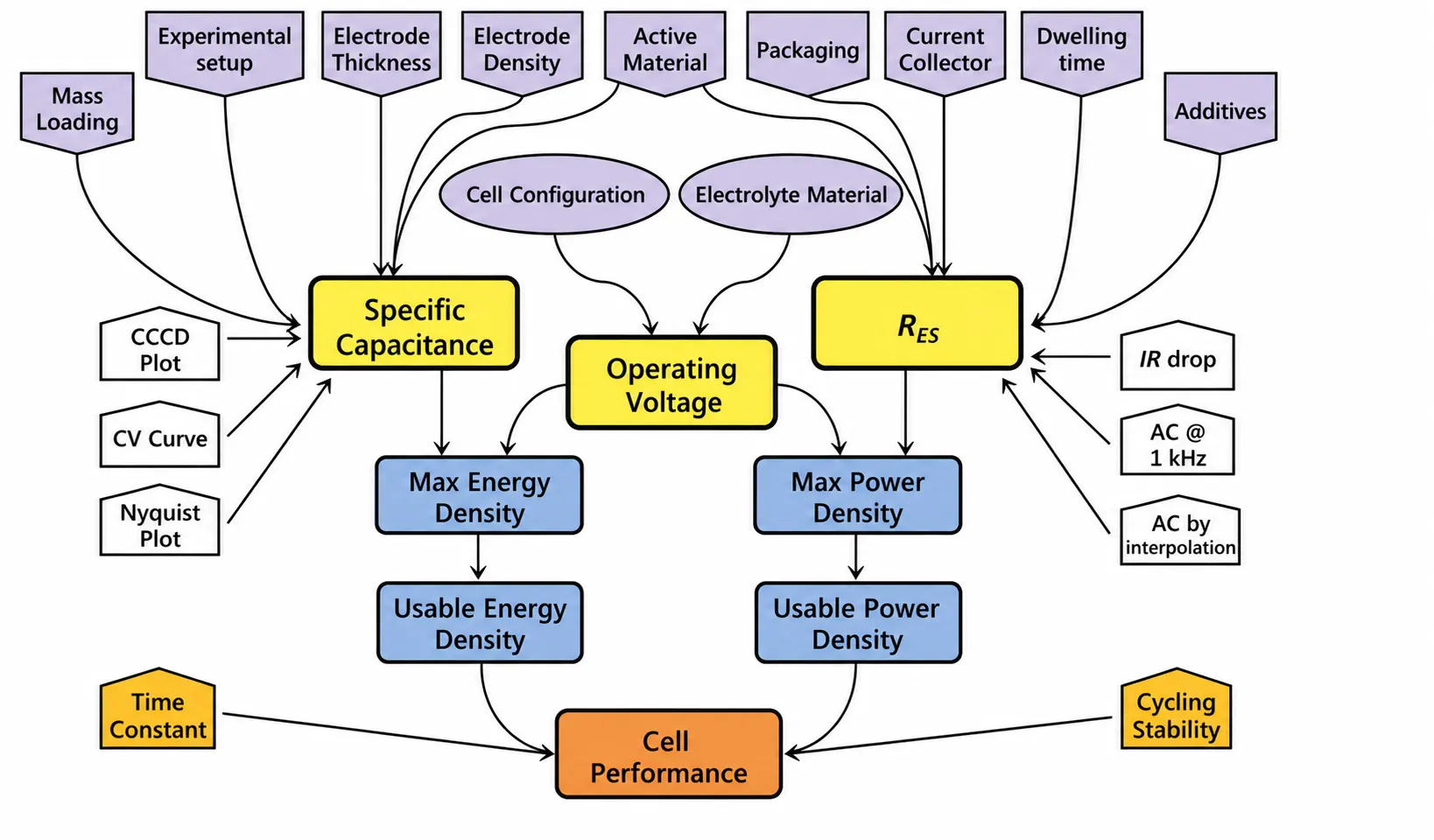
Figure 1. Factors affecting Supercapacitive Performance
History of Supercapacitors
Supercapacitors have a relatively short history, having been created in the middle of the nineteenth century. To begin, engineers at General Electric (GE) created capacitors between the early 1950s and 1957. Becker invented the first supercapacitor that did not have a recognized double layer.
In 1966, the SOHIO company patented another version of the SC as an electrolytic capacitor. In 1982, the Pinnacle Research Institute (PRI) developed the first SCs for military applications, known as PRI ultra-capacitors. Charge and discharge currents increased as capacitance values increased, while equivalent series resistance (ESR) levels decreased.
In 1992, Maxwell Laboratories took over this development and called them “Boost Caps” to emphasize their power uses. Evans constructed a high voltage tantalum electrolytic capacitor in 1994 that has the mixed properties of electrolytic and electrochemical capacitors; nonetheless, it was only used in a few military applications.
The FDK group business recently developed hybrid lithium-ion capacitors, which is the combination of an electrostatic carbon electrode with an electrochemical electrode to improve capacitance. Nowadays, researchers aim to increase the supercapacitors’ characteristics, performance, and the production costs.
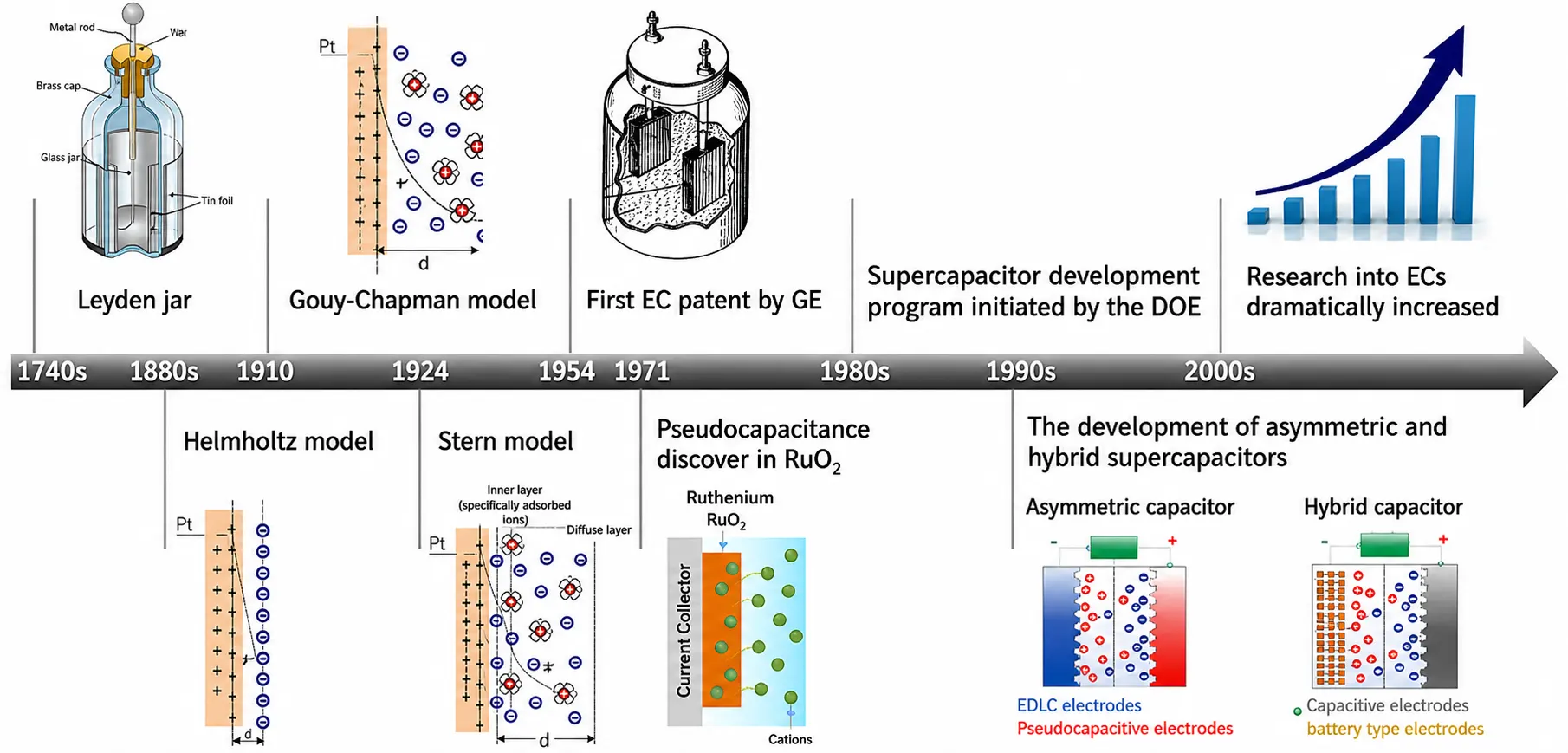
Figure 2. Timeline of the development of Supercapacitors
Supercapacitors Operating Principle
The world’s rising population and quicker economic growth necessitate the use of clean and renewable energy sources, as well as sophisticated energy storing technology such as batteries and supercapacitors. For the current advancement of electric vehicles, energy storing systems with high energy and power densities and long cycle lifetimes are required.
Despite the battery’s high energy density, its low power density and limited life span need research into other technologies such as supercapacitors. Because of its desirable qualities, such as high-power density, quick charge–discharge, a wider working temperature range, and improved cyclic life, supercapacitors have piqued the scientific community’s interest in research.
The supercapacitor is a potentially valuable electrochemical energy storing device. It recently gained a lot of attention because of its excellent performance, simplicity, and stability. In comparison to batteries, it has a higher power density and cycle stability. The reason for this is mainly due to their charge-storing mechanism, wherein the ions are deposited on the electrode surface during charging and liberated during discharging. This mechanism comes from batteries, where continuous redox processes result in weak stability and weak power density.
A supercapacitor works similarly to a capacitor, with two conductors separated by a dielectric substance. Capacitance is caused by charge separation at the conductor surface. The conductors in a supercapacitor have been replaced with a porous electrode, which provides efficient surface areas for ion adsorption. Furthermore, the gap between two opposite charges is in the nanoscale range, contributing to higher capacitance than conventional capacitors.
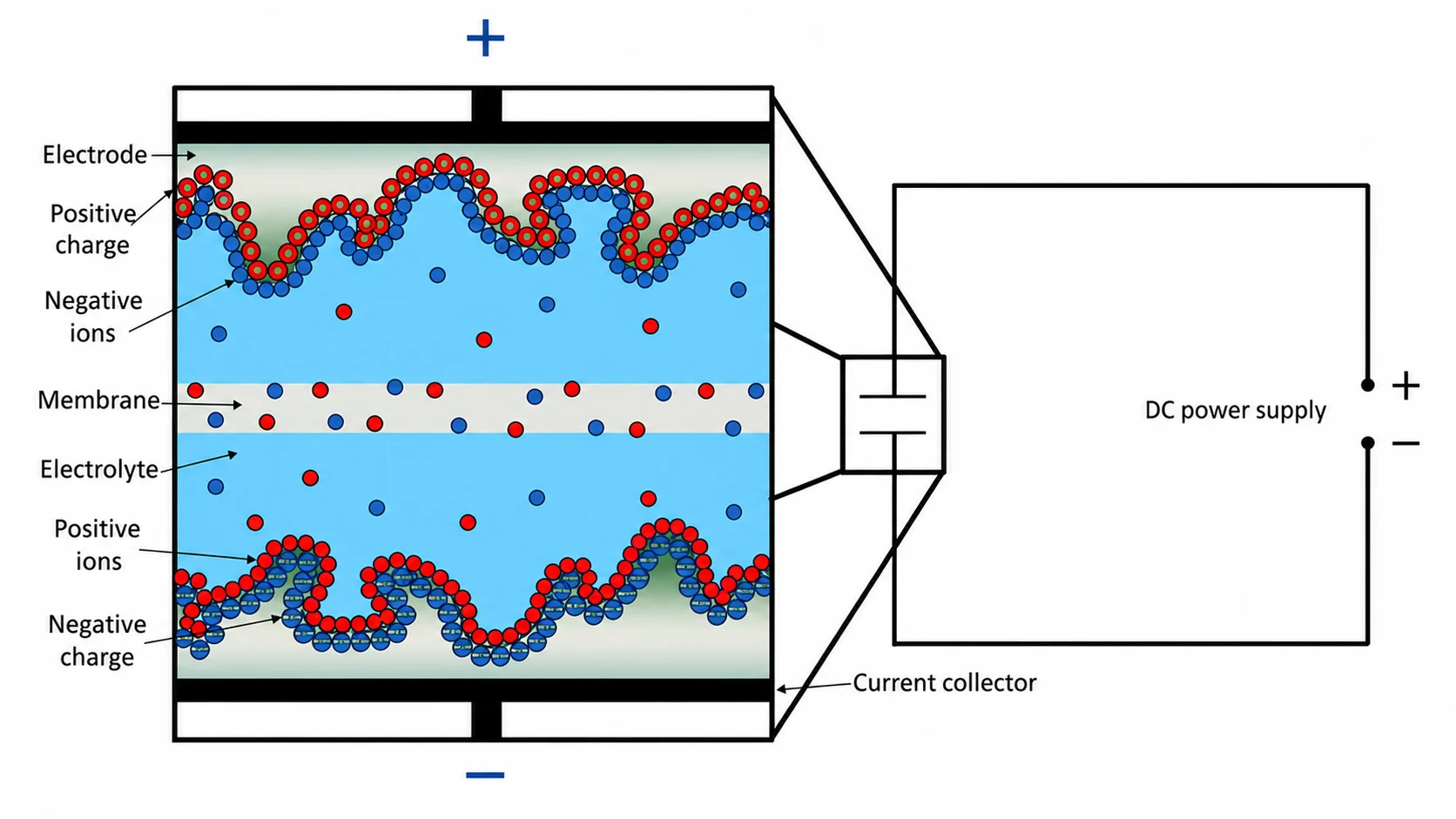
Figure 3. Typical Construction of a Supercapacitor
Mechanism
SCs are principally powered by two types of charge storing process:
- charge adsorption and
- redox processes linked to chemical changes.
Carbon materials, such as graphene, activated carbon, and carbon nanotubes, frequently function as SC electrode materials in the first mechanism, producing high power densities and extended cycling lives but flat energy densities. The second way is commonly utilized by transition metal oxides, hydroxides, and conducting polymers, which have greater energy density but poor cycling stability due to microstructure deformation caused by continuous redox reactions.
As a result, developing novel SC electrode materials is critical, particularly in tackling the concerns of low energy density, weak cycling stability, and chasing higher capacitance.
MOFs (metal-organic frameworks) and materials derived from them such as carbon, metal oxides, sulfides, etc. exhibit diverse properties and applications due to their tunable porosity, and versatile chemical functionality.
Supercapacitor Specifications
- Supercapacitors act as a link between regular capacitors and rechargeable batteries.
- Supercapacitors are capable of storing an enormous amount of energy.
- Supercapacitors have high capacitances of up to 2 kF.
- A supercapacitor takes 1–10 s to charge.
- These components are capable of storing electricity via electrostatic charge absorption/desorption.
Characteristics of a Supercapacitor
Charging Time
Supercapacitors have the same charge and discharge times as conventional capacitors. Because of its low internal resistance, it can support high charge and discharge currents. For example, a mobile phone battery can take many hours to fully charge, whereas supercapacitors can reach the same charge state in less than two minutes.
Specific Performance of SCs
The maximum power output divided by the device total mass is used to compare various technologies that utilize the specific power of a battery or supercapacitor. Supercapacitors have five to ten times the specific power of batteries. For example, a typical supercapacitor has a specific power of about ten kilowatts/kilogram, whereas lithium-ion batteries have a specific power of one to three kilowatts/kilogram.
Supercapacitor Life Cycle
Batteries have a maximum life span of five hundred times; however, supercapacitors may be charged and discharged millions of times and have a nearly limitless life cycle. As a result, supercapacitors are particularly useful in applications that demand the storage and release of energy on a regular basis.
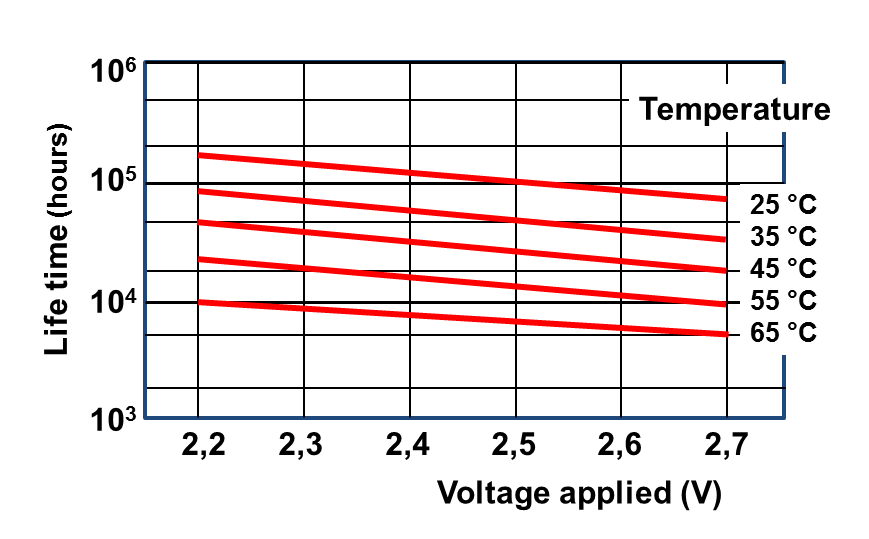
Figure 4. Supercapacitor lifetime is primarily influenced by operating temperature and applied voltage.
Safety of Supercapacitors
Supercapacitor batteries are safer than conventional batteries when overused. Supercapacitors do not heat up as much as batteries do because of their low internal resistance, however batteries have been known to explode due to excessive heating when short-circuited.
Advantages of Supercapacitors
- In comparison to a standard capacitor, supercapacitors have a high energy and power density.
- The range of capacitance is high in the case of a supercapacitor.
- Supercapacitors have the ability to charge quickly.
- They have excellent low-temperature performance (-40°C to 70°C).
- They have a longer service life and a longer lifespan (for approximately ten to fifteen years against five to ten years for lithium-ion batteries). They have an almost infinite cycle life and can be cycled millions of times.
- They improve performance reliability.
- They reduce the battery’s size, weight, and, as a result, cost.
- Supercapacitors are environmentally friendly.
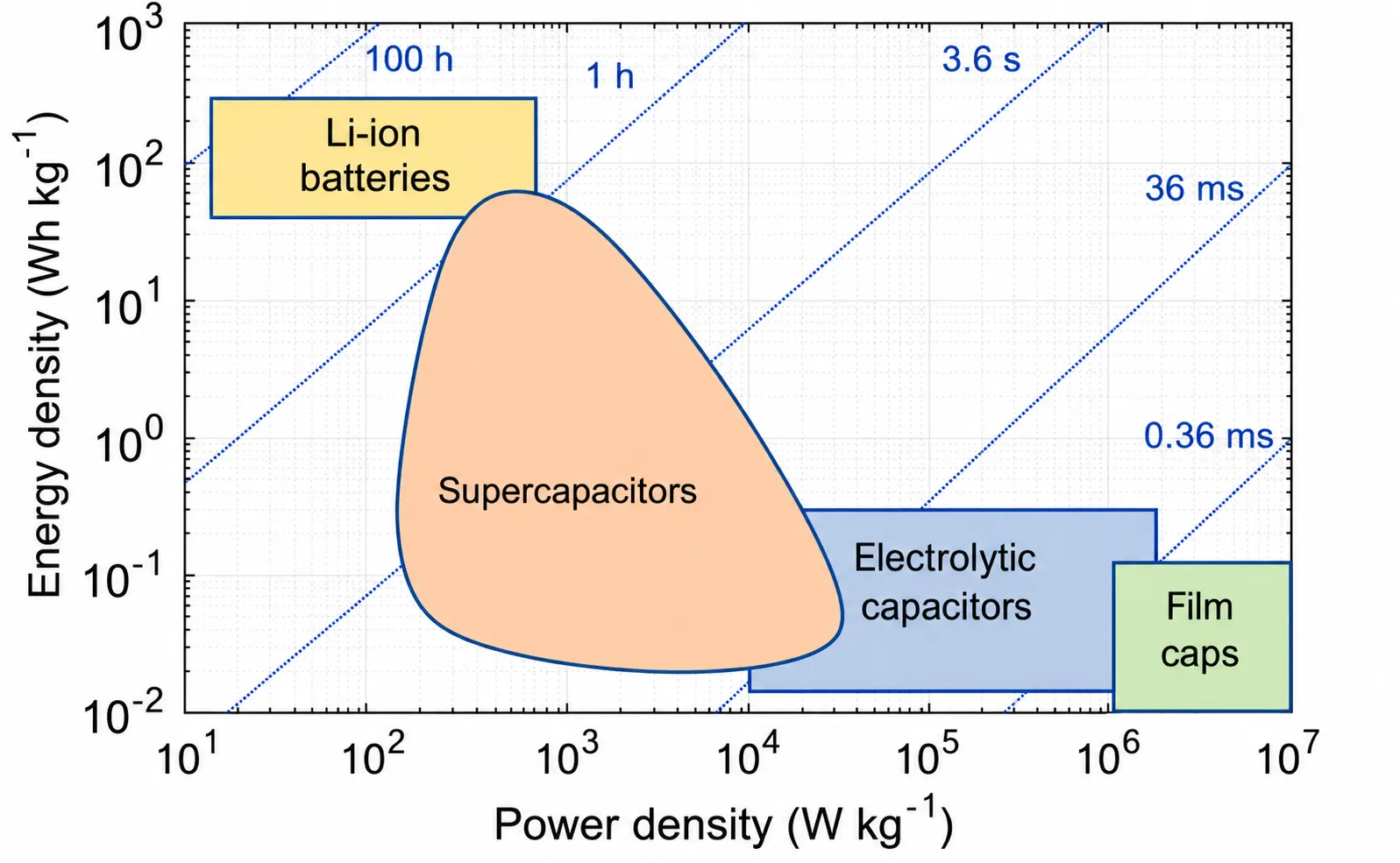
Figure 5. Ragone plot representing power and energy densities of various energy-storing devices
Disadvantages of Supercapacitors
- They are releasing themselves more frequently. This is significantly more than a battery.
- The voltages in individual cells are low. As a result, series connections are required in order to attain higher voltages.
- There is far less energy stored per unit weight than in an electrochemical battery. This translates to three to five Wh/kg for an ultracapacitor and thirty to forty watts/kg for a battery.
- They have a low energy density as compared to batteries. which is equivalent to one-fifth to one-tenth of the energy stored in the battery.
- It cannot be utilized in alternating current or other higher- frequency circuits.
Applications of Supercapacitors
- Power source for laptops
- Backup power systems in missiles
- MP3 player
- Supercapacitors can be used as an energy storage for a cordless electric tool.
- Due to very fast charging and discharging, supercapacitors make a great tool for regenerative breaking.
Figure 6 showcases the innovative implementation of a supercapacitor hybrid bus, representing a cutting-edge advancement in transportation technology. This pioneering design integrates supercapacitors into the bus's power system, offering enhanced energy storage capabilities and promoting greater efficiency and sustainability in urban transit.

Figure 6. Supercapacitor hybrid bus.
Key Takeaways
Supercapacitors are high-power energy storage devices that bridge the gap between conventional capacitors and batteries by enabling rapid charge–discharge cycles and long operational lifetimes. Their performance is strongly influenced by electrode materials, with advanced materials such as carbon-based structures and metal-organic frameworks (MOFs) enhancing capacitance and efficiency. Unlike batteries, supercapacitors store energy through electrostatic charge separation and surface-based mechanisms, resulting in superior power density and cycle stability but lower energy density. While offering advantages such as fast charging, long lifespan, and improved safety, limitations including lower energy storage capacity and self-discharge must be addressed for broader adoption.