Power Generation Technologies
Meeting global electricity demand depends on a diverse portfolio of power generation technologies, each with unique operating characteristics and engineering tradeoffs.
To do any kind of work requires energy. Energy has the ability to produce change or exert a force on something. There are many forms of energy, including chemical, solar, potential, thermal, and electrical.
Energy cannot be created or destroyed, but it can be converted from one form to another.
Many forms of energy can be converted to electrical energy. The generation of electricity is a process of converting other energy forms to electrical energy. Electrical energy is utilized when it is converted back to other forms of energy.
Utilization of Electrical Energy
Electrical energy is known as an energy source that is easily converted into power and light. The utilization of electrical energy comes from its four main effects:
- Thermal effect: The heat produced by electrical current is desirable for toasters, heaters, and ovens during the utilization stage, but it is wasted energy in the generation, transmission, and distribution stages.
- Luminous effect: Light is emitted when a filament is heated as in an incandescent or halogen light. Light is emitted when an arc is generated as in a fluorescent, sodium or UV lamp. Light is emitted when electric current passes through a light-emitting diode (LED).
- Chemical effect: Electrical current can break down certain chemical molecules into their component atoms. For example, water (H2O) can be broken down into hydrogen and oxygen through a process called electrolysis. Electrolysis is used in industry for electroplating and the manufacture of aluminum. Hydrogen produced this way can be used as a source of energy.
- Magnetic effect: The magnetic field around a wire can be increased by winding the wire into a coil around a core of magnetic material. This effect is used by a utility for generators, transformers, and reactors. At the utilization stage, the magnetic effect is used for motors, solenoid switches, circuit breakers, telephones, and stereo speakers.
Generation of Electricity
When a wire is moved within a magnetic field, an electrical charge is induced into the wire. Almost all commercially generated electricity involves the movement of wire coils in a magnetic field. In practice, this normally means that many electromagnets are installed on a wheel or armature, which is turned inside a stator mounted with many wire coils. The armature is connected to a turbine. See Figure 1. The turbine is a wheel with blades mounted on it. The water, steam, or wind pushes against the blades and causes the turbine to turn.
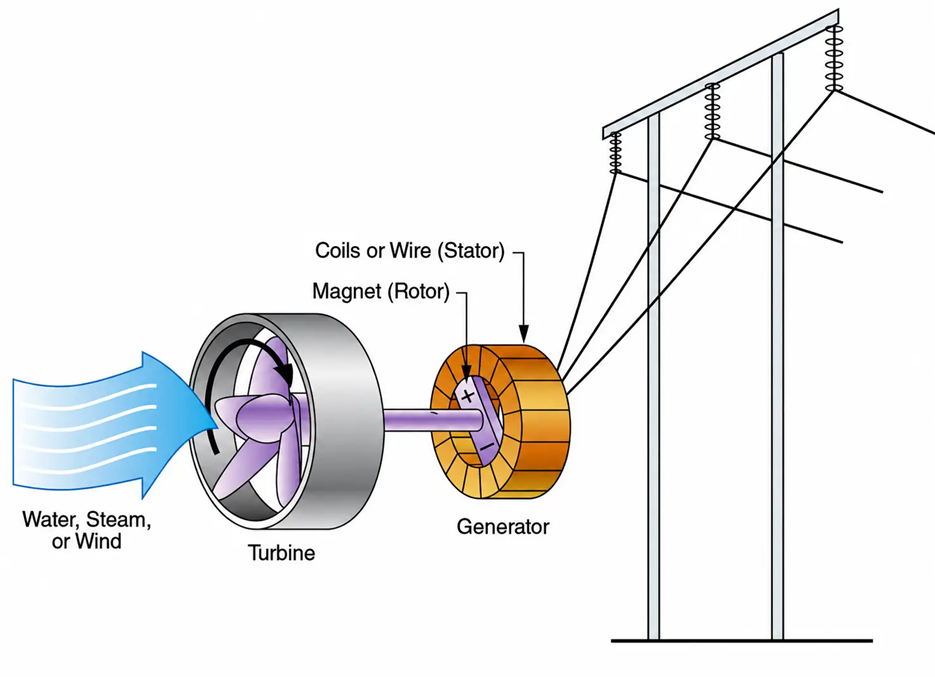
Figure 1 A force (water, steam, or wind) turns the turbine and the generator, which generates electric power.
Turning the Turbine
A surprising number of prime movers or sources of energy can be used to spin a turbine. The earliest energy forms used for this purpose were falling water and wind. Almost all of the suitable falling water or hydroelectric sites in the world have been harnessed, are spinning turbines economically, and are relatively pollution free. Harnessing the tides and winds to spin large turbines for commercial generation is a more recent development.
Most of the electrical energy produced in the world comes from the use of steam as a force to spin the turbines. The steam is converted from the heat energy of burning coal, oil, natural gas, wood chips, and garbage; or steam can come from the heat energy generated by a nuclear reactor or from geothermal (underground heat) sources.
Hydroelectric Generation
Hydroelectric stations are built in locations where water runs from a higher level to a lower level. See Figure 2a. This is normally accomplished by building a dam on a river with a suitable water flow and where a substantial difference in water level creates an advantage. The headwater formed by the dam is the potential energy that will be converted to electrical energy. See Figure 2b.
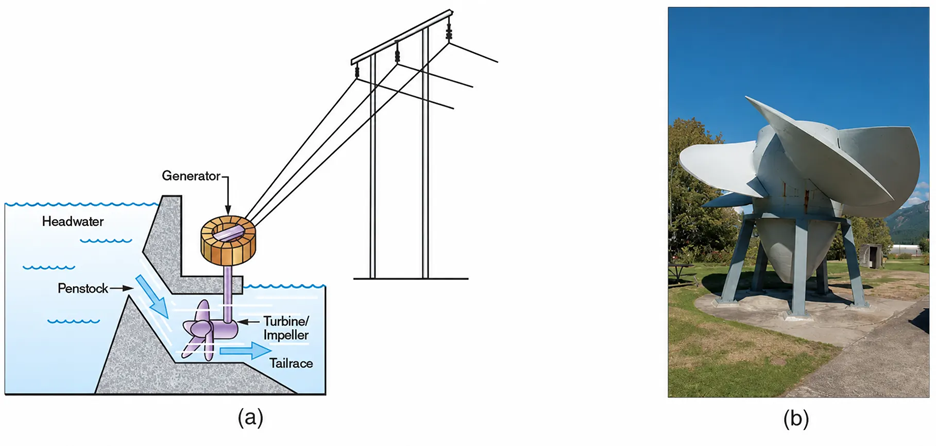
Figure 2 (a) A hydroelectric generator is turned by falling water. (b) The actual turbine used in a hydroelectric station is engineered to extract the most energy possible for the water flow available.
The headwater is funneled through a pipe called a penstock. Penstocks are mounted on the face of the dam into the powerhouse. See Figure 3. The water rushes down the penstock and hits the turbine blades with a force that equals the water’s speed and weight. The turbine spins, which in turn spins the generator. The water continues out through the tailrace and back into the river.
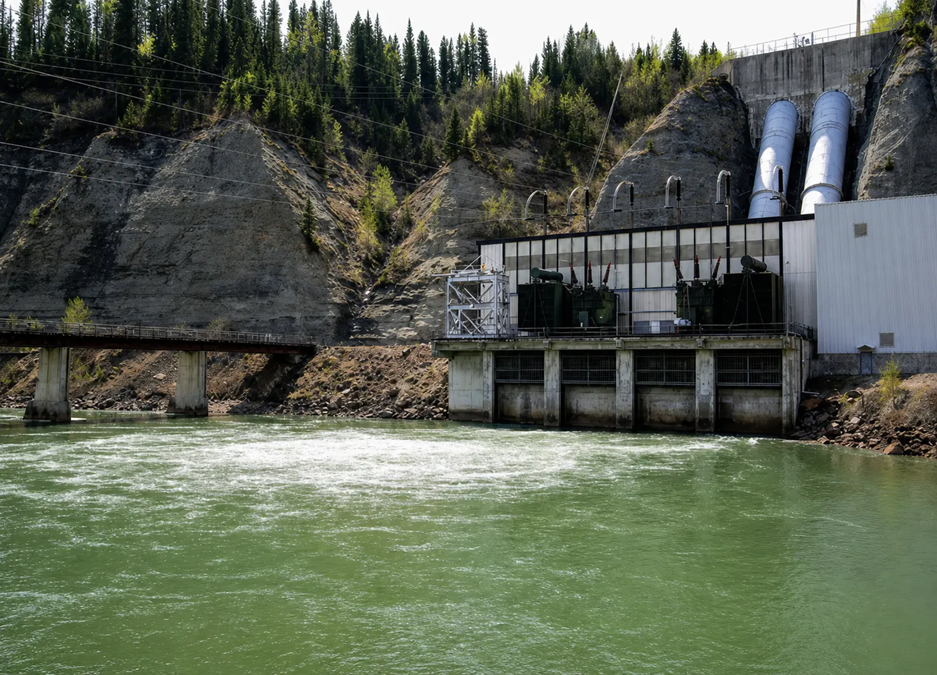
Figure 3 The penstocks, step up transformers and tailrace are clearly visible in this hydroelectric station. Programs are in place to move transformers from the dams to reduce the risk of an oil spill into the waterway.
Generation from Steam
Generating heat from the burning of fossil fuels such as coal, oil, and natural gas, or from a nuclear reactor, is the most common commercial method of creating steam. See Figure 4. The steam expands and pushes against the turbine blades, causing the turbine to turn.
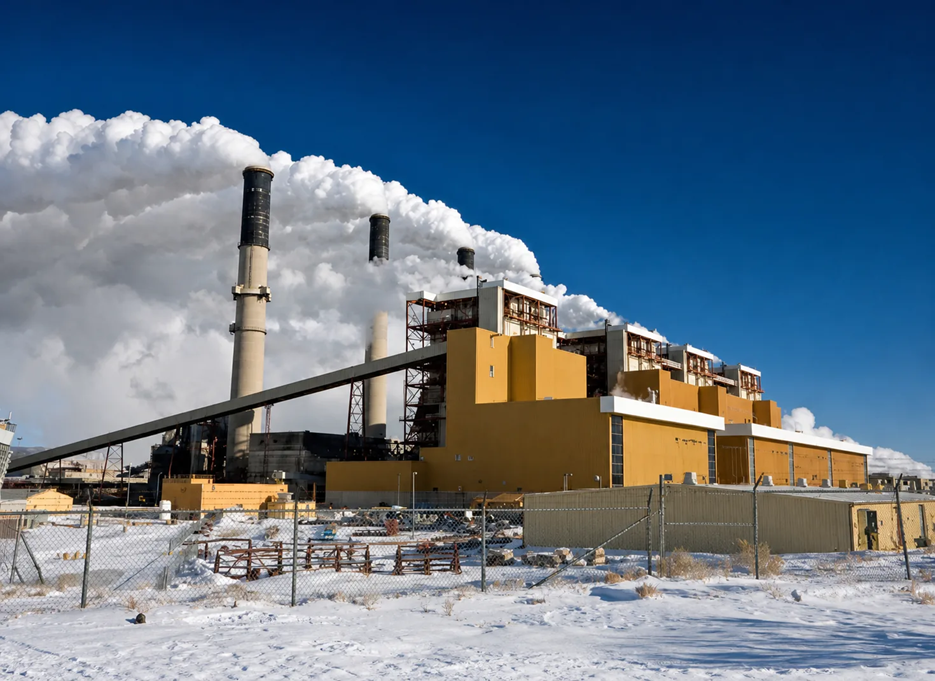
Figure 4 There is some movement to reduce dependence on coal-fired thermal generating stations such as this one because of global warming concerns.
The water in a steam plant is in a closed loop that continuously heats and cools. See Figure 5. A heat exchanger in the boiler heats the water in the closed loop, and another heat exchanger uses water from an ocean, lake, or river to cool the steam and condense it back into water. The water is then pumped back to the boiler to be reheated.
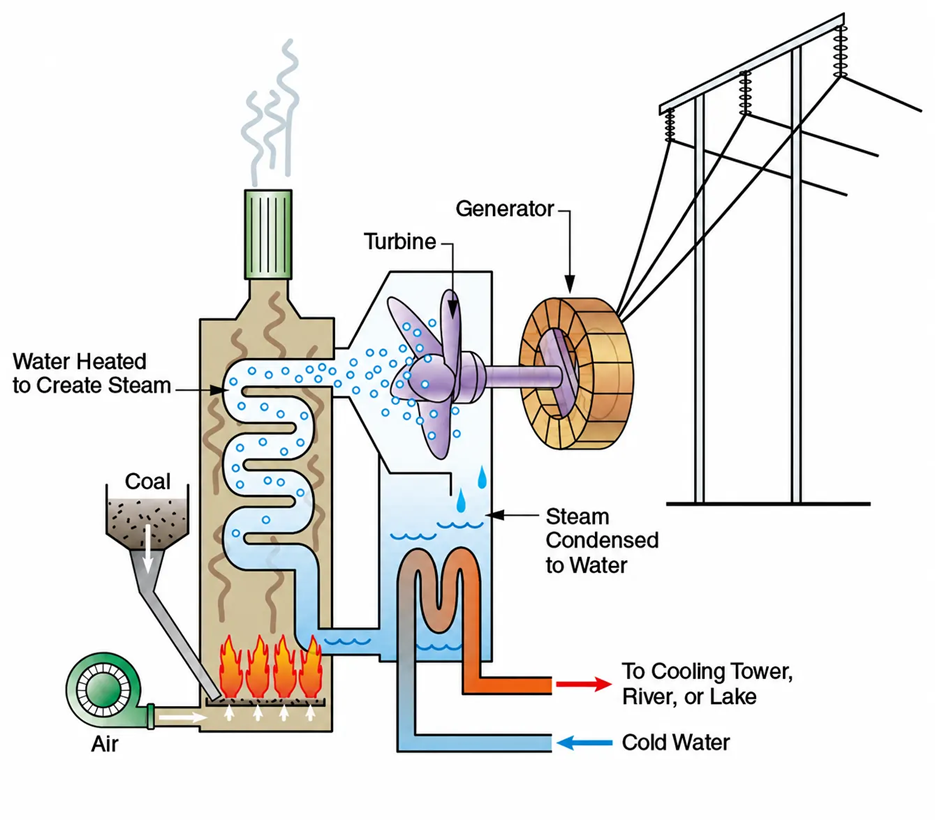
Figure 5 The water stays in a closed loop as it is heated and cooled in a thermal generating station.
Nuclear Generation
A nuclear generating station is similar to a conventional steam plant except that it uses a nuclear reactor to create heat for making steam. The heat comes from uranium atoms splitting in a controlled reaction. See Figure 6.
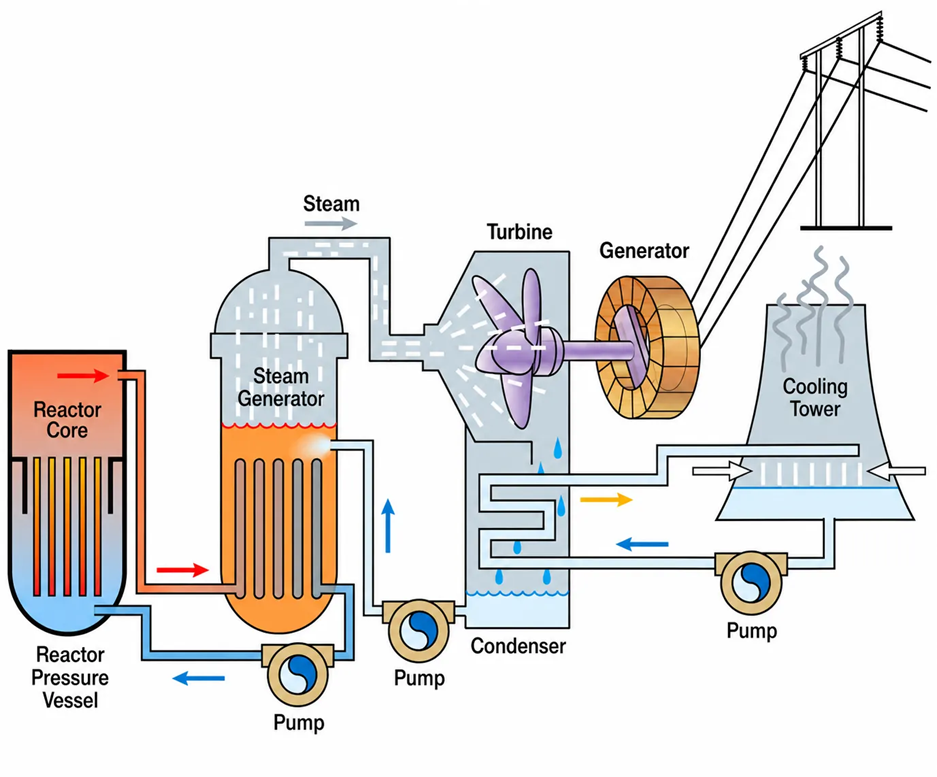
Figure 6 A nuclear generating station is a thermal plant except the water is heated by a nuclear reactor.
Uranium is a dense, unstable element. Neutrons, which are particles within the nucleus of an atom, are easily knocked free from a uranium atom’s nucleus. A uranium atom splits if it is struck by a free neutron given up by another atom. When an atom splits, more neutrons are released that in turn hit other atoms, splitting them, and thereby causing a chain reaction. The nuclear fission (splitting) of atoms generates a huge amount of heat.
The same principles can be applied on a smaller scale. Nuclear reactors create heat to make steam used to generate electricity on some submarines and large ships. Small modular reactors (SMR) are also ideal for remote areas that typically rely on diesel units. SMR units can be manufactured, transported, and set up on site.
Gas Turbines
The hot exhaust gases from the burning of oil or natural gas in a high-pressure combustion chamber can spin a turbine when the exhaust gases expand through the turbine blades, much like the way a jet engine operates. High-pressure air is added to the combustion chamber to add more force to the escaping gases.
The most efficient way to use the gas turbine is in a combined-cycle system. See Figure 7. After the hot exhaust gases spin a gas turbine, the still hot gases heat water to make steam and spin a steam turbine. Usually, several gas turbines feed hot exhaust to one steam turbine.
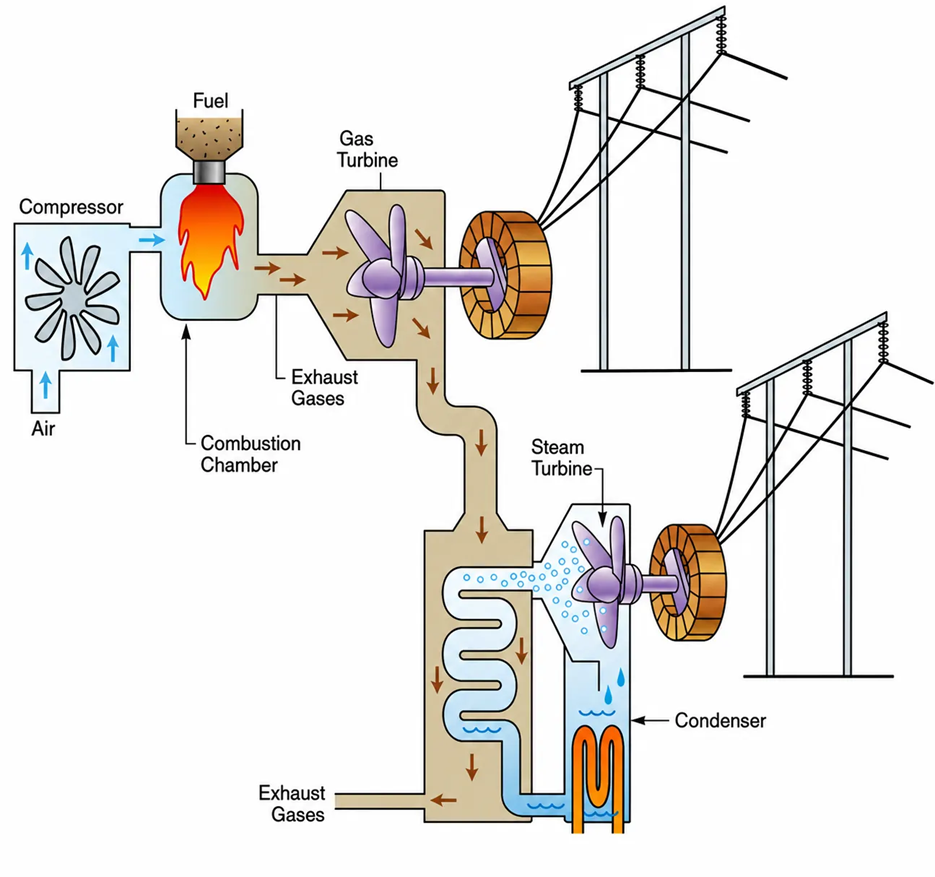
Figure 7 Waste heat is used to turn another turbine in a combined-cycle generation plant.
Cogeneration
Cogeneration plants are generating stations used to generate electric power and heat. The electric power can be sold to the grid, and the heat, which would otherwise be waste heat, is sold to a central heating plant or manufacturer. Because it is impractical to transport heat over any distance, cogeneration stations are built close to their heat users.
Cogeneration stations are fired by fuels such as natural gas, wood, agricultural waste, or peat moss. Steam pressure generated by burning the fuel turns the turbines and generates power. Normally, about one third of the energy in the original fuel can be converted to steam pressure to generate electricity. The excess heat supplied to the customer is usually in the form of relatively low-temperature steam exhausted from the turbines.
Generation from Wind
Wind power is solar energy because the sun creates kinetic energy in wind. The wind is converted into mechanical energy when it spins a wind turbine and then converted into electrical energy when the turbine rotates an electrical generator.
Wind power varies directly with the cube of the wind speed. When the wind speed doubles, eight times more energy is generated. Wind turbines are, therefore, located at high altitudes, at seashores, at mountain or hill ridges, and offshore.
Because so much power is generated by higher wind speed, much of the average power available to a wind turbine comes in short periods.
A large wind turbine can generate 10 MW. Considering that there are 900 MW thermal generating units, many wind turbines are needed to generate the equivalent amount of power. Figure 8 puts the size of one blade of a Wind Turbine in perspective.
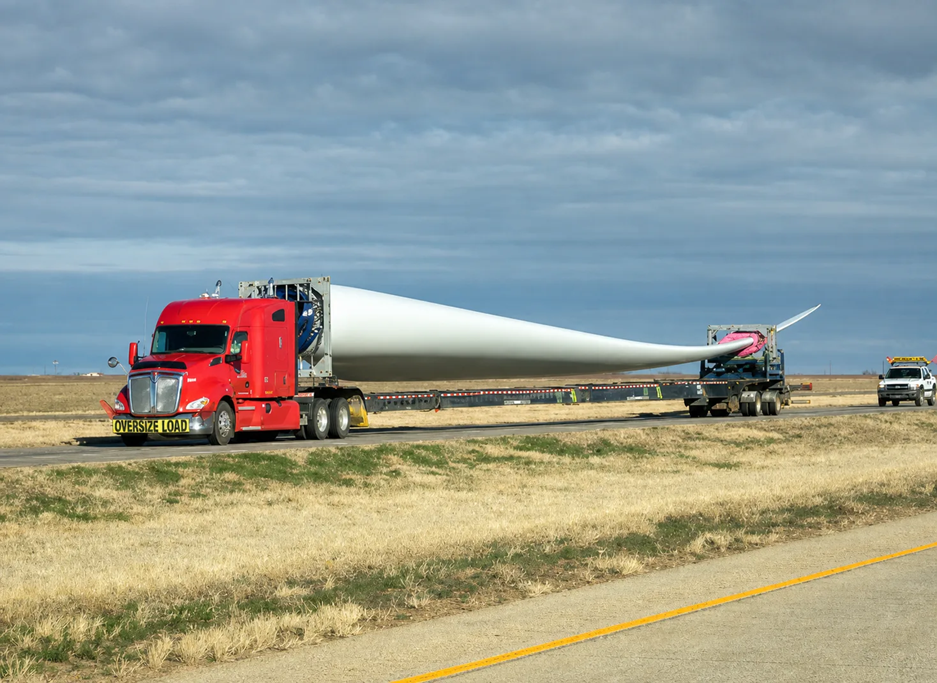
Figure 8 Modern wind turbine blades are very large and require expert riggers to raise them into position.
Wind has the ability to meet the ideal of sustainable power with very little impact on the environment. The fuel (wind) for wind energy is free and clean. It is a sustainable energy source in that the fuel (wind) is not being depleted and lost forever to future generations such as oil and coal.
Wind energy has a zero impact on the greenhouse effect. Large-scale wind farms connect to a transmission grid. Individual small wind turbines are also used in areas isolated from the grid and are especially ideal in remote communities that are otherwise served by diesel-powered generators.
When a wind farm is proposed, people who live nearby often have the perception that wind turbines are noisy, unsightly, and interfere with and kill birds. It has been stated that the most common objection to wind farms is probably the same objection that obstructs almost all generation and transmission line construction projects, which is NIMBY (not in my back yard).
Historically, the most recognizable wind turbines are the lattice steel towers with a multi-bladed windmill mounted on top. They were, and in some cases are still, used by farmers to generate electricity or pump water. See Figure 9. The many blades on the windmill provide good starting torque. When used to generate electricity, windmills had a DC generator that charged storage batteries. There was no need, therefore, to worry about AC frequency or voltage regulation.
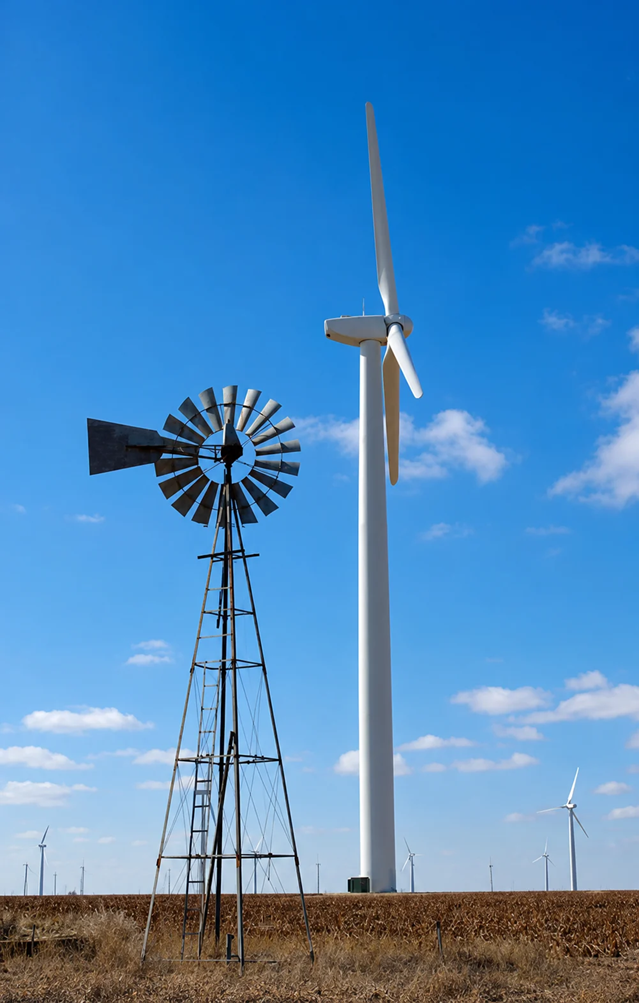
Figure 9 Old and new wind turbines use the same energy source.
Modern wind turbines tend to have two or three blades mounted on a horizontal axis. Turbine blades that rotate around a horizontal axis tend to be propeller turbines with three-, two-, and even one-blade turbines.
Large wind turbines typically have low-speed, large-diameter blades coupled to an electric generator by a high-ratio gear box. The individual blades are like helicopter blades that will turn in and out of the wind as electrical load and wind speed change. The low speed reduces maintenance requirements, and the inertia of the large blades helps maintain a more constant speed.
Power Line Techs are often involved in constructing wind farms. They have the ability and knowledge to work at heights and to work with heavy rigging. Constructing a wind turbine and mounting a generator on a structure are not unlike erecting a transmission tower. The footings are similar to those in a heavy anchor dead-end tower. See Figure 10. The structure is typically a large steel pole anchored in a concrete base.
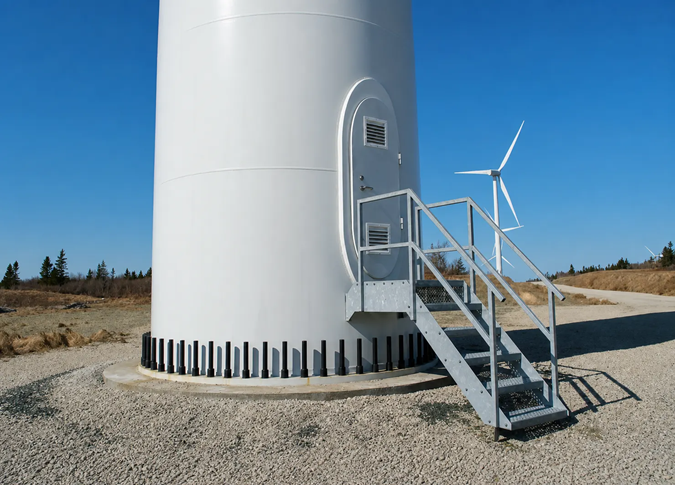
Figure 10 The anchor bolts of a wind turbine structure can experience great amounts of stress.
The construction and maintenance of a wind farm collector grid and the grounding grid is also largely line/cable technician work. Figure 11 illustrates the extensive cable network and the switchgear that make up a wind farm collector grid or system with some typical voltages.
The switchgear (circuit breakers), and its related relays, that connect a wind farm to a utility grid is designed to open when utility circuit goes out because of a fault. Power line technicians need to check that this switchgear is open before working on the line when isolated. However, protective grounding and bonding are the only true protection when working on a circuit.
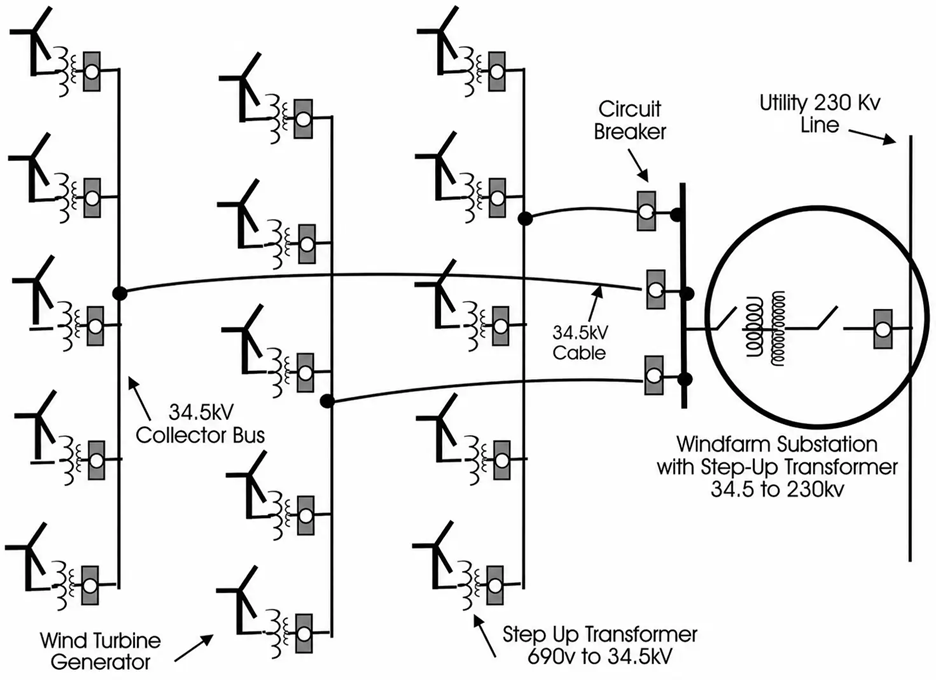
Figure 11 Illustration of a wind farm collector grid.
Solar Thermal Power Plants
Concentrating the sun’s rays focused on a target can heat water and make steam to spin a turbine in a conventional thermal generating station.
In a linear concentrator system, long tubes (receivers) are placed in the focal point of a long run of curved (U-shaped) mirrors, as shown in Figure 12. The fluid flowing in the tubes is heated by the sun, and the fluid goes through a heat exchanger to boil water. Steam from the boiling water spins the turbine as in a conventional thermal plant to generate electricity.
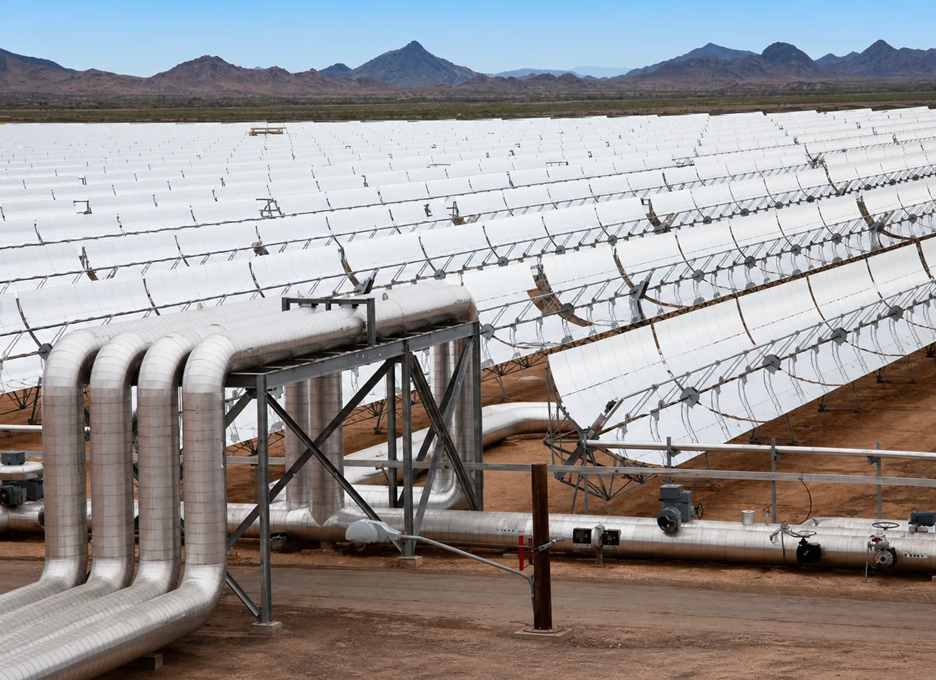
Figure 12 Fluid is heated in tubes placed in the focal point of a long run of U-shaped mirrors.
In a power tower system, sun-tracking parabolic mirrors (heliostats) concentrate the beams of light toward a receiver on the top of a tower, as illustrated in Figure 13. A fluid is heated and goes through a heat exchanger to boil water. Steam from the boiling water turns the turbine into a conventional thermal plant to generate electricity.
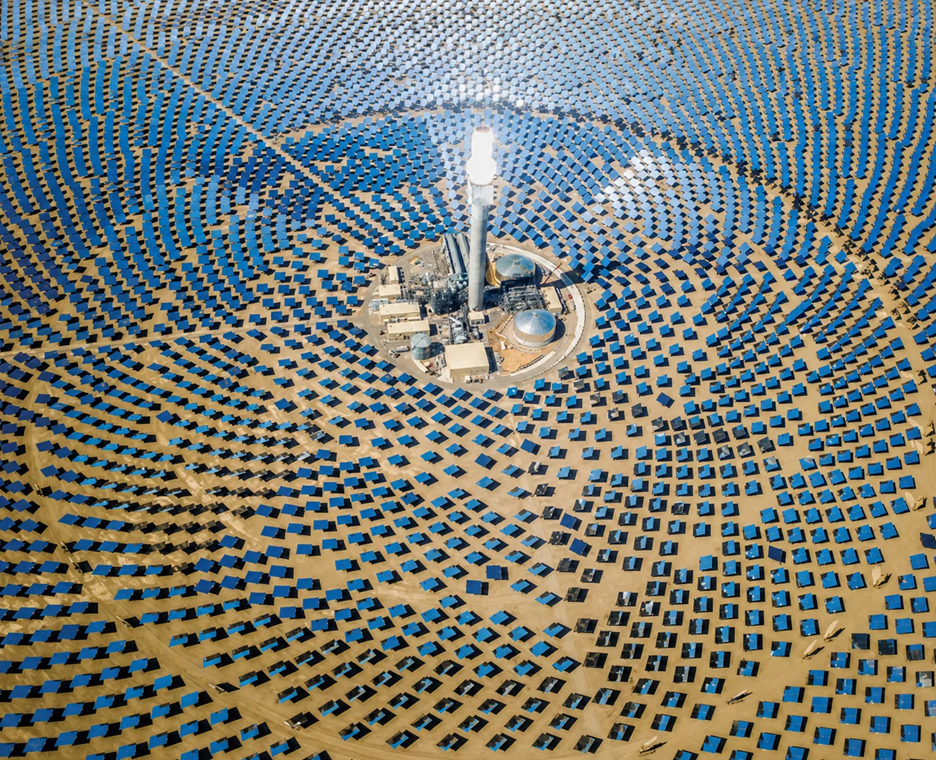
Figure 13 Parabolic mirrors focus the sun’s rays to a receiver on the top of a tower.
Solar PV Utility Scale Power Plant
Solar energy can dislodge electrons and cause an electron flow in a photovoltaic (PV) cell made from material such as crystalline silicon. An individual PV cell generates only about 0.5 or 0.6 V and about 30 milliamps per square cm (0.16 square inches). However, when many PV cells are installed in a panel/module and connected electrically in series, a module can produce voltages such as 36 V. The solar panels are connected in groups or strings. For example, 42 of these modules in a string, connected in series could generate 1,500 V in the circuit.
Multiple strings can be connected to a combine box where the output of all the strings becomes one direct-current (DC) circuit. This is fed to an inverter to transform the DC into alternating current (AC).
The output of the solar power plant is fed into a substation where there are more steps, including a feed into a step-up transformer to match the voltage of the utility grid.
The switchgear (circuit breakers) and its related relays that connect a solar farm to a utility grid is designed to open when the utility circuit goes out because of a fault. Power line technicians need to check that this switchgear is open before working on the line. However protective grounding and bonding are the only true protection when working on a circuit, see Figure 14.
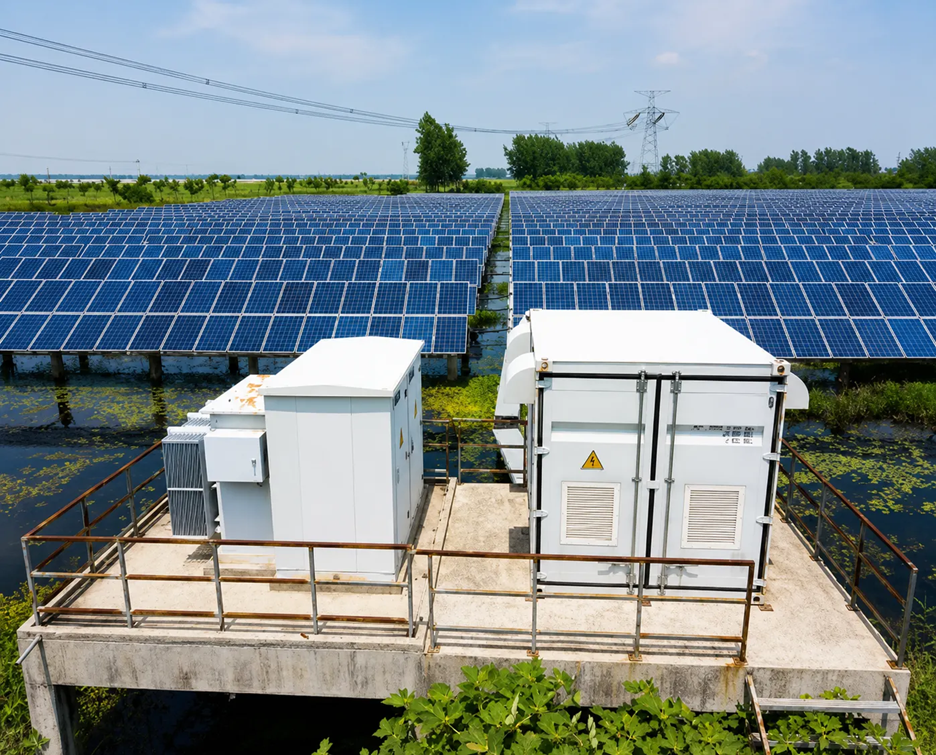
Figure 14 A photovoltaic (PV) power plant used for commercial electrical generation.
Electrical Energy from Nontraditional Sources
The burning of biomass can produce steam to spin steam turbines. Products such as sawdust and bark from the lumber industry, wood from fast-growing tree plantations, ethanol from corn, or methane from the decomposition of vegetation and garbage are burned in relatively small generating stations in many areas.
Fuel cells generate electricity through an electrochemical process. The system converts the chemical energy of hydrogen or hydrocarbons and oxygen into electrical energy. In a fuel cell, hydrogen and oxygen are combined to form water and electricity (the opposite of the old experiment in which hydrogen and oxygen are produced when electricity is passed through water). The hydrogen needed for a fuel cell can be found in natural gas, coal-derived gas, ethanol, gasoline, and other fuels.
Tidal Power generates electricity by placing the turbines under water. The surge of the tide’s rise and fall spins the turbine. Tidal power is effective in locations known for unusual high tides, for example, the high tides in the Bay of Fundy in New Brunswick, Canada.
Geothermal generating stations use steam that comes from hot water deep below the earth’s surface. California and Hawaii have geothermal stations.
Hydrogen fuel cells generate electricity through an electrochemical process. The system converts the chemical energy of hydrogen or hydrocarbons and oxygen into electrical energy. In a fuel cell, hydrogen and oxygen are combined to form water and electricity (the opposite of electrolysis, the making hydrogen and oxygen when electricity is passed through water). The hydrogen needed for a fuel cell can be found in natural gas, coal-derived gas, ethanol, gasoline, and other fuels.
Stored compressed air can be used to drive a compressed air motor. It can also be injected in an internal combustion turbine, where it is burnt with fuel to provide mechanical energy which then powers a generator. Wind turbines can use excess power to compress air, this is usually stored in large aboveground tanks or in underground caverns.
Electrical Energy from Stored Sources
An electrical system needs to be able to meet the peak customer load, which tends to be the air-conditioning load on the hottest days. Customer load can change from hour to hour. Electrical generation from wind and solar is not always available during peak load. This can cause problems with some traditional power generation because a thermal plant cannot be easily turned on and off. Ideally electrical energy can be stored for later use.
Storing electrical energy can go a long way to stabilize the grid.
Pumped Storage
Electrical energy is being stored using pumped storage at some hydraulic generating stations. Water is pumped back up to the forebay during low electric power demand and then released during peak demand. On some rivers, water is held at the dam and released when needed, usually during the daily peak.
Battery Energy Storage Systems (BESS)
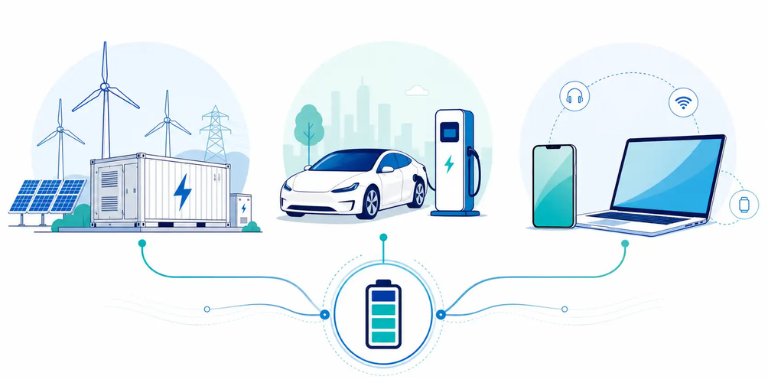
Large utility scale battery energy storage system (BESS) has been installed connected to transmission and distribution lines and in substations as illustrate in Figure 15. Grid scale batteries give an operator more flexibility to meet peak customer demand.
A battery energy storage system (BESS) is often installed along with wind and solar farms to store power until it is needed. A BESS system can also store energy from the grid during low customer demand, and low prices and then sold at a higher price during peak loads (arbitrage).
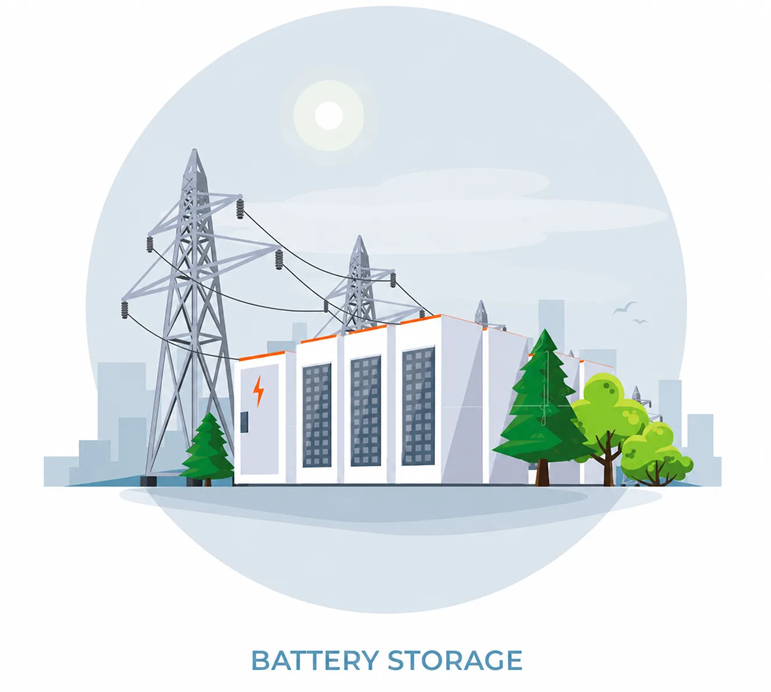
Figure 15 An Illustration of a Battery Energy Storage System.
Pole-mounted and underground batteries are also being installed. Batteries connected to the secondary can be charged by rooftop solar generation, which can be discharged to reduce peak demand, adding to stability in the whole grid. Customers can also install a battery backup uninterruptible power supply (UPS). A battery UPS is especially effect to store and release energy, especially those with solar panels.
Key Takeaways
Today's electric grids rely on a diverse mix of generation technologies—including hydroelectric, thermal, nuclear, wind, solar, and emerging low-carbon sources—complemented by energy storage systems that improve grid flexibility, renewable integration, and peak demand management. Engineers must evaluate each generation technology based on efficiency, resource availability, environmental impact, operating characteristics, and system reliability to build resilient and sustainable power systems.
As renewable penetration continues to increase, advanced storage technologies such as pumped hydro and battery energy storage systems (BESS) are becoming essential for maintaining grid stability and ensuring dependable electricity supply.